
[ad_1]

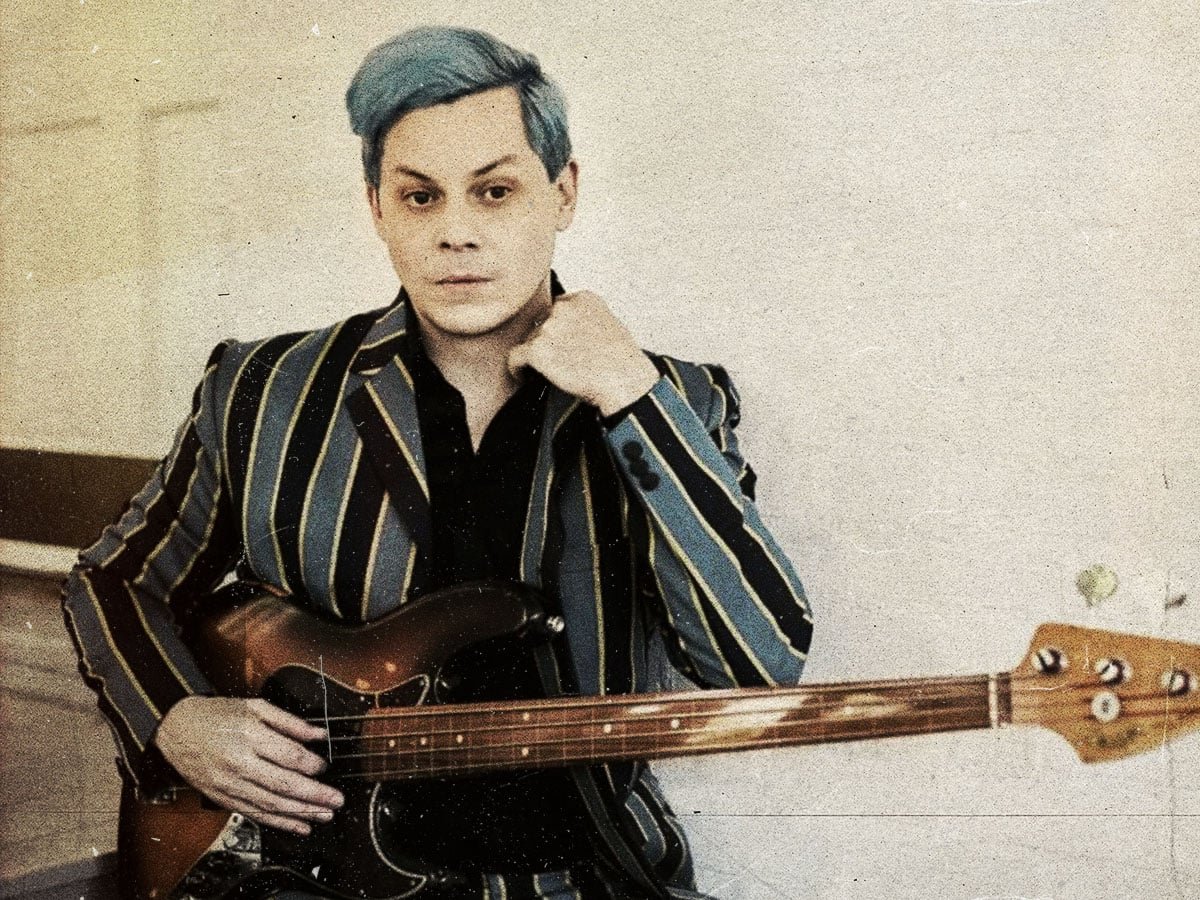
Credit: Far Out / Press
In the 2000s, music fans worried that rock music would die altogether.
The introduction of a new technologically focused millennium, combined with the emergence of rave culture in the ‘90s, was supposed to pose an existential threat to good old rock and roll. Long gone were the days of scruffy-haired rock heroes trusting in the analogue format; at least, that’s what we were told.
But then a generation of musicians stepped forward and demanded we not let go of what got us in here in the first place, ushering in an indie revival led by The Strokes, Arctic Monkeys and The White Stripes. The former examples were a little bit more forward thinking perhaps, creating a new style of rock and roll that spoke to the modern outlook, whereas The White Stripes were a bona fide rock shot in the arm.
Jack White’s guitar playing in particular sounded like a bridge being built from the past to the present, combining the raw and visceral elements of the Delta blues sound with a punk attitude that was fitting of modern rock. It was rebelling against all the expectations being placed on music with an unrelenting brand of tradition that revitalised what rock could be.
Ageing rock fans looked to the skies and thanked the rock gods for providing them with what they considered a reincarnation of Led Zeppelin. And sure, they were partly right in doing so, for The White Stripes were as powerful and unrelenting as the British rockers, but the truth was, White was looking further back for a pillar of influence; in fact, it was the very same names that Zeppelin themselves were worshipping.
“It’s important for anyone that calls themselves a musician to know who came before them,” he once said, “Me, as a songwriter, I wanted to join that family, join that tradition, you know, and not pretend that I’m so good that I’m so original that I exist in this vacuum and those people don’t mean anything to me.”
While it may sound like it, that family wasn’t made up of musicians from the ‘70s, a time when classic rock turned into heavy, prog and punk rock, giving White a blueprint to work from. No, it was before that, in a time when a few budding blues musicians provided the building blocks for modern music.
White continued, “I want to join their family. I want to join Robert Johnson, Charlie Patton, and Elvis Presley and Little Richard’s family, you know, and keep those songs alive as folk music”.
The desire to pay homage is so clearly evident in White’s best music. Unlike some musicians who simply ripped off blues riffs from the likes of Johnson and co, in order to experience their own glory, White was simply honouring the craft. He realised the guitar, and more specifically the music, was a bigger entity than him, the artist, and treated his music like a temporary custodian, tasked with upholding the legacy. Now, almost three decades into an iconic career, White can firmly say he’s in the family.

[ad_2]
Source link
Other Articles

David Hockney artwork from college days at auction