

[ad_1]
“I place my fate in your hands. And I ask if there might not be another way by performing an intervention, as I do not want this pregnancy and would do anything… and am capable of the worst. I beg you, doctor, do not abandon me.” These few lines, dated November 13, 1972, were written by the mother of a 6-year-old boy, devastated by the discovery of a new pregnancy that was endangering her health. She wrote to the one she called “the man of lost causes” and, on a personal level, “my last hope”: Professor Paul Milliez.
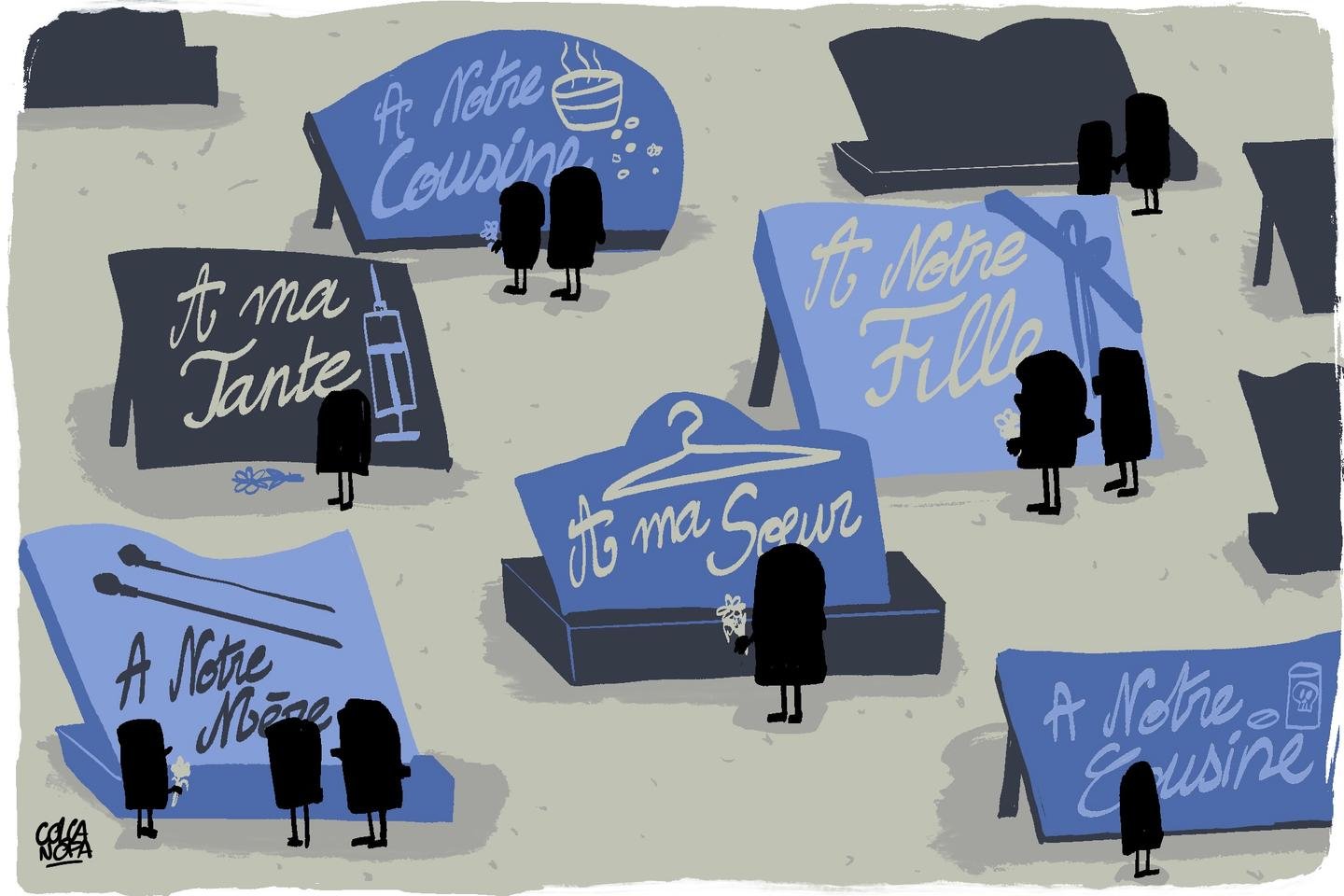
The forthcoming book Lettres pour un avortement illégal (1971-1974) (“Letters for an Illegal Abortion”), to be published on October 17, contains about 50 letters like this one. On Sunday, September 28, as part of International Safe Abortion Day, excerpts were to be read at the Maison de la Poésie, a cultural center in central Paris dedicated to poetry. During the event, there was to be an appeal to build a monument in memory of women who died from illegal abortions.
Professor Milliez, whom this woman wrote to in November 1972, played a pivotal role. A few days earlier, on November 8, he appeared before the criminal division of a court in Bobigny, on the outskirts of Paris, at the request of renowned lawyer Gisèle Halimi, and made a strong impression. Halimi had called Milliez as a key witness in her defense of Michèle Chevalier, a woman prosecuted for helping her 16-year-old daughter, Marie-Claire, a victim of rape, obtain an abortion.
You have 79.4% of this article left to read. The rest is for subscribers only.
[ad_2]
Source link
Other Articles

Kate Bush’s Hounds Of Love, by artists it inspired