
Can artists stop the White House from using their music in social-media posts?
Earlier this month, Sabrina Carpenter and SZA became the latest artists to protest about their music being used in White House social-media posts.
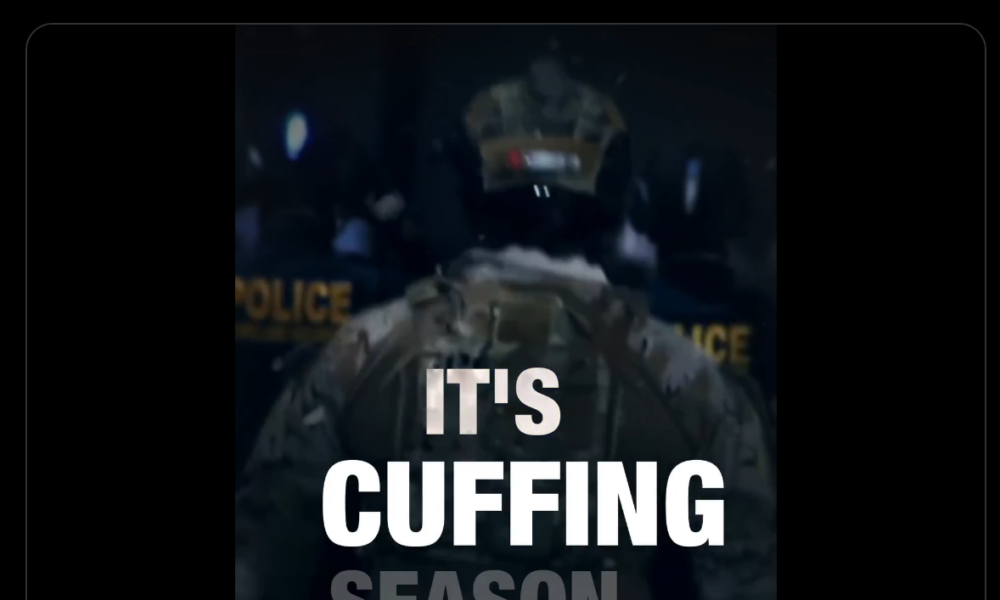
The songs, which both had lyrics or performance context related to handcuffs, were clipped as background to videos of US Immigration and Customs Enforcement (ICE) officers handcuffing people on immigration raids.
These are far from the first posts of this nature from both the current US administration and the president’s 2016, 2020 and 2024 campaigns. In fact, it has occurred often enough to have its own Wikipedia page.
To name just a few: ABBA, Adele, Bruce Springsteen, George Harrison’s estate, Neil Young, MGMT, Prince, Queen, Rihanna, The Rolling Stones and Sinéad O’Connor have all have criticised their music being used by the president in social posts or at rallies.
They have all faced a similar predicament: there is not really any winning on the artist’s side. If they say nothing, they risk being seen as staying silent on the issue, or even aligning with the political message being communicated.
If they do say something, though, they inevitably bring attention to the content and cause it to circulate further. The White House has made it clear that this is its very intention, too.
“We made this video because we knew fake news media brands like Variety would breathlessly amplify them. Congrats, you got played,” a spokesperson told the entertainment-industry publication after being contacted for comment about its use of a Taylor Swift track.
“I think it’s telling that [the Carpenter and SZA cases] involve uploads to X and TikTok,” music copyright researcher, professor and author Eric Drott told Music Ally. “In both of these cases there isn’t an automatic copyright filter, or if there is a detection system, it’s not very effective.”
Drott contrasted these platforms to YouTube and its Content ID system, which scans all uploads for use of copyrighted music and alerts the rightsholders, in order for them to decide whether to block, monetise or leave the videos up.
Once an artist’s music has been used, what options do they have in terms of legal action? The short answer in the US is that it varies case by case, and depends more on the nature of use, than on who is using it.
Generally speaking, however, the more closely a song is tied to the ‘image’ or message of a political initiative, the more likely the case is to hold up in court. On the other side of things, politicians and organisations can claim fair use by arguing their rights under the first amendment to free speech, Drott explained.
Many artists opt to issue cease-and-desist letters, but this does not hold the offender accountable for similar actions in the future. If further legal action is taken than that, there is also no guarantee that relief ever comes.
This was seen in the case of The White Stripes lawsuit against the 2016 Trump campaign, which the band dropped without public explanation – though the prospect of indefinite hefty legal fees is not an unlikely explanation.
Could the likes of SZA, Sabrina Carpenter, Olivia Rodrigo and other mainstream artists who’ve protested at their music’s use by the White House join forces? While there has never been a class-action lawsuit against the White House for music copyright-infringement, there have been collective initiatives of other kinds.
In 2020, for example, several musicians teamed up with the Artists Rights Alliance to demand that politicians and campaigns seek permission for use of their music in campaign advertising or at rallies.
According to Drott, there are also legal precedents for a personality rights argument, such as in prior cases involving Frito-Lay and Tom Waits, and and Ford Motor Company and Bette Midler. In both cases, the brands were accused of using soundalikes for the artists, rather than their actual recordings though.
The argument in those cases was that “this may have led unsuspecting audiences to interpret the use of vocal soundalikes as an endorsement of the products in question, thus harming their reputation and public image” explained Drott.
Source link
Other Articles

How Touring Schedules Are Changing the Way Artists Travel
The art of investing in spite of melting asset values as leases decay



No Comment! Be the first one.