
[ad_1]
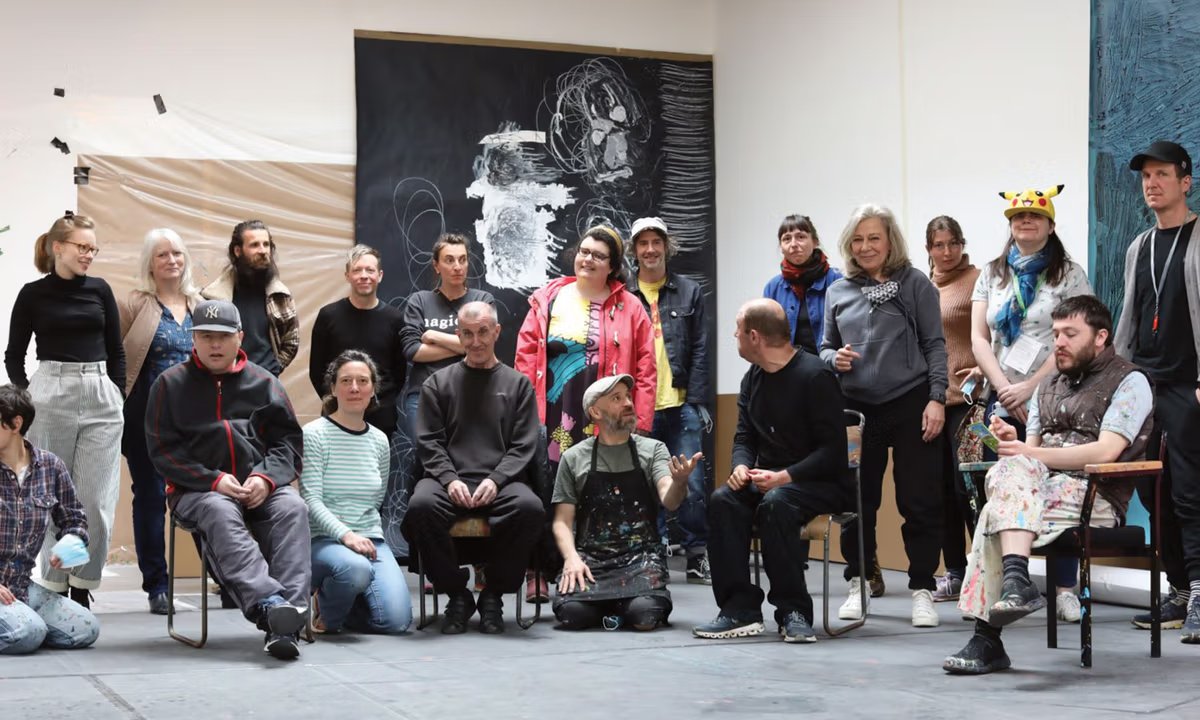
The pandemic year has brought questions of access and disability rights into new focus, and the art world is paying attention. Recent signs of this shift in awareness include a collective of neurodiverse artists and activists, Project Art Works, being nominated for the prestigious Turner Prize. In addition, two works by self-taught artist Helen Rae entered the collection of the Museum of Modern Art (MoMA), New York, building on the steady growth of institutional interest in “outsider” artists; last October, the Ford Foundation and the Andrew W. Mellon Foundation announced a Disability Futures fellowship. And, a new online platform, Art et Al, provides resources to help institutions, galleries, and other venues become more accessible to neurodiverse and disabled artists.
“There is a shift—and it’s sad and it says something about human beings that it’s taken this long—but there is a shift,” says Paige Wery, the director of Tierra del Sol gallery in Los Angeles, which sells work by neurodiverse and disabled artists.
Advocates and dealers in this field, however, caution that, while recognition and prices for these artists are growing, there are still plenty of barriers to entry for “outsider” artists into the market, and the risk of exploitation remains high.
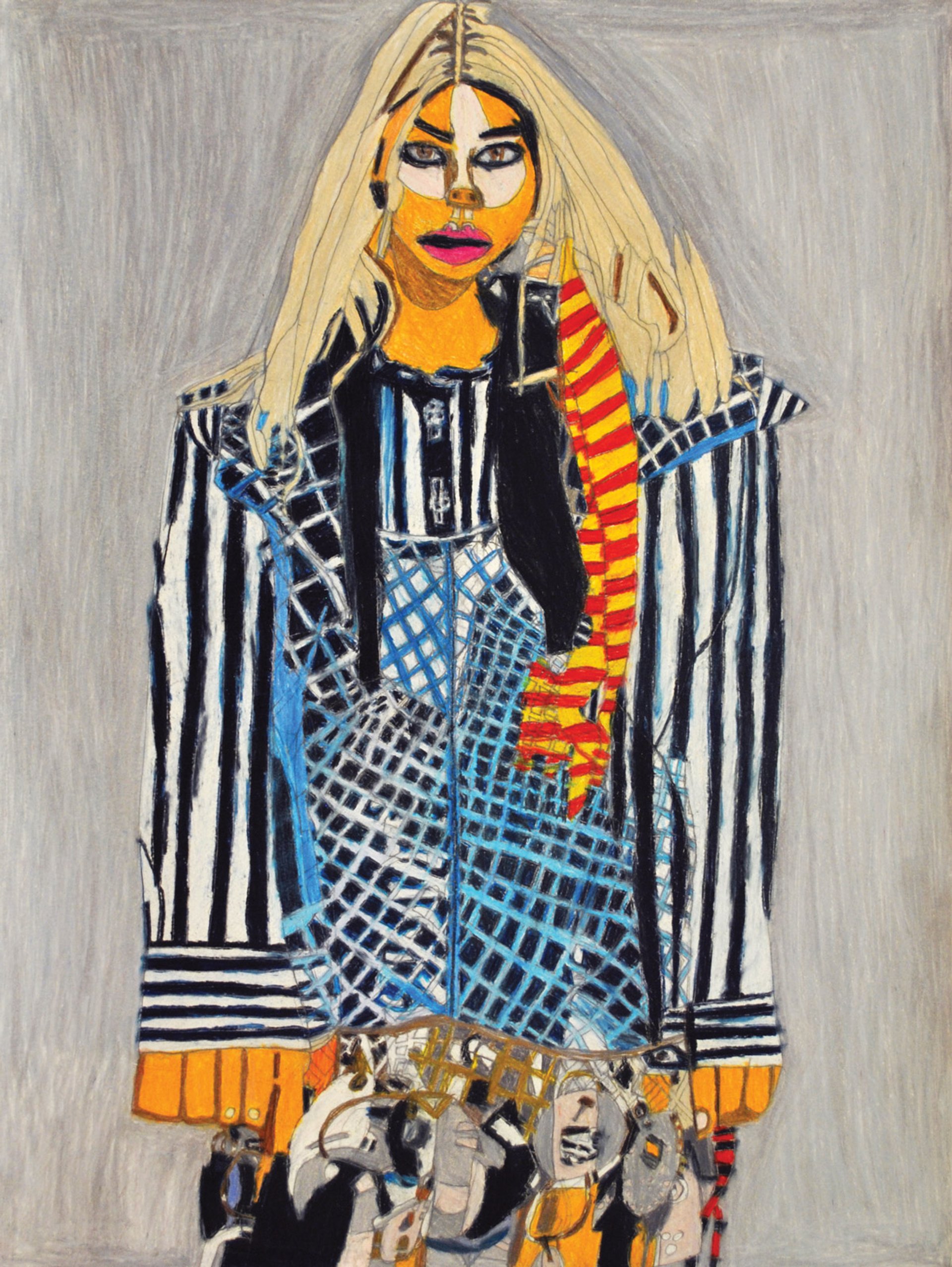
June 16, 2017 is one of two works by the disabled artist Helen Rae, who died early this year, now in the collection of MoMA Courtesy of Tierra del Sol Gallery
Jennifer Gilbert, who runs Jennifer Lauren Gallery in Manchester, representing self-taught, neurodiverse and disabled artists, has also seen progress over the past year, but notes that problems persist in the field. The Turner Prize nomination for Project Art Works is “such massive recognition”, she says. Generally, she has found the art world establishment more open to working with her to diversify their programmes in recent months. But for many of these artists, she says, art world opportunities such as open calls and public art commissions are still out of reach.
“These artists often wouldn’t be able to fill out the [application] form themselves or even know that these opportunities are out there,” Gilbert says. “Very often it’s up to the studios to submit things on their behalf.” The fees attached to open call applications may also be unaffordable for artists living on disability benefits, she adds. “They can’t afford the £35 fee to submit the work. The form and the fees are a massive barrier.”
Creativity Explored, a San Francisco studio that works with disabled artists, acknowledges the same problem with its artists not having access to public art commissions and corporate-funded opportunities. It attributes this partly to the fact that communicating with disabled artists requires more work. The studio is currently consulting with businesses, hotels and tech companies such as Twitter and Facebook to advocate for such opportunities.
Artists who are non-verbal or who have other developmental disabilities are also vulnerable to exploitation in a capitalist marketplace. “When I do exhibitions, it is always at the back of my mind—will I be treated fairly?” says Thompson Hall, an artist from the London supported studio ActionSpace. Hall also notes that galleries generally favour artists coming from well-known art schools and that when he does get shows, “it might be under an outsider label, which I don’t want placed on me.”
Questions of consent are crucial but difficult, say advocates and dealers in the field. If a neurodivergent or disabled artist is unable to offer clear consent for their work to be sold and exhibited in a way they are comfortable with, family members or studios working closely with the artists should be sought out to grant consent.
Shameful exploitation
“The art world is so complex, and it’s very easy to take advantage of somebody who hasn’t been educated in the art world,” Wery says. Wery ran the Good Luck Gallery, a commercial business that sold work by so-called “outsider” artists for five years before she closed the space and more recently began working for Tierra del Sol. While running Good Luck, some older, established dealers advised her to buy up supplies of work by self-taught artists cheaply and then mark up the prices several-fold—an idea that she found shocking.
“It’s been happening for a long time,” Wery says. “Hopefully the artists have more protection than they did in the past, but there are snakes in the grass.”
While art world audiences and collectors are becoming more educated around the issues relating to this field—and to their own biases—dealers say that some collectors still expect to pay bargain prices for these artists’ work. Sonia Dutton, a New York dealer who participates in the Outsider Art Fair, notes the well-known pattern of a small number of elevated old-guard outsider artists such as Henry Darger and Bill Traylor receiving sky-high prices, alongside “a chasm of a middle ground, and then a roaring demand for little-known or unknown artists where there is an expectation for prices to be in line with fly-away drawings in flat files, found objects, and ephemera or anonymous folk art.”
Hence, Dutton says, “the baseline in the self-taught field tends to be far lower. And when I have nudged prices up and explain why, I receive pushback.”
Like Dutton, Gilbert feels ethically bound to value the works in a way that reflects those of a comparable aesthetic in the marketplace at large, and also reflects the artist’s labour. “Some of [the artists] have spent months on a piece of work and it deserves that to be reflected in the price,” Gilbert says.
While commercial galleries try to push the value of these works closer to similar works made by artists with MFAs, work by disabled artists who are unknown to the marketplace still often go for under $100 per piece at the non-profit studios. Cléa Massiani, a curator at Creativity Explored, says this is partly to do with taking a more democratic approach to the art world—at Creativity Explored, they like enabling young and low-income people to buy art.
At the same time, they watch individual artists’ markets closely and increase prices according to demand. “Now that the artists have some status—worldwide—we need to make sure this is something they have access to,” Massiani says.
At Creative Growth, another Bay Area studio, some of the artists’ prices have reached the five-figure sums, and several have entered museum collections.
For neurodiverse and disabled artists, however, success can come at a price. Government regulations in both the US and UK mean that individuals who earn over a certain amount may lose their benefits. This is a particularly acute issue in the UK, where in some cases earning as little as just over £100 a month from art sales may affect their benefit payments. Gilbert is currently researching possible legislative changes to relax these rules.
In California, where the rules are a little more generous, Wery says there is still much room for growth—both in the laws that regulate disabled artists’ earnings and the stigma that drives down the value of these artists’ work.
“I think that the prices need to be put up to where people belong in the contemporary art market,” Wery says. “These are contemporary artists making amazing work—the prices need to reflect that.”
[ad_2]
Source link
Other Articles