
[ad_1]

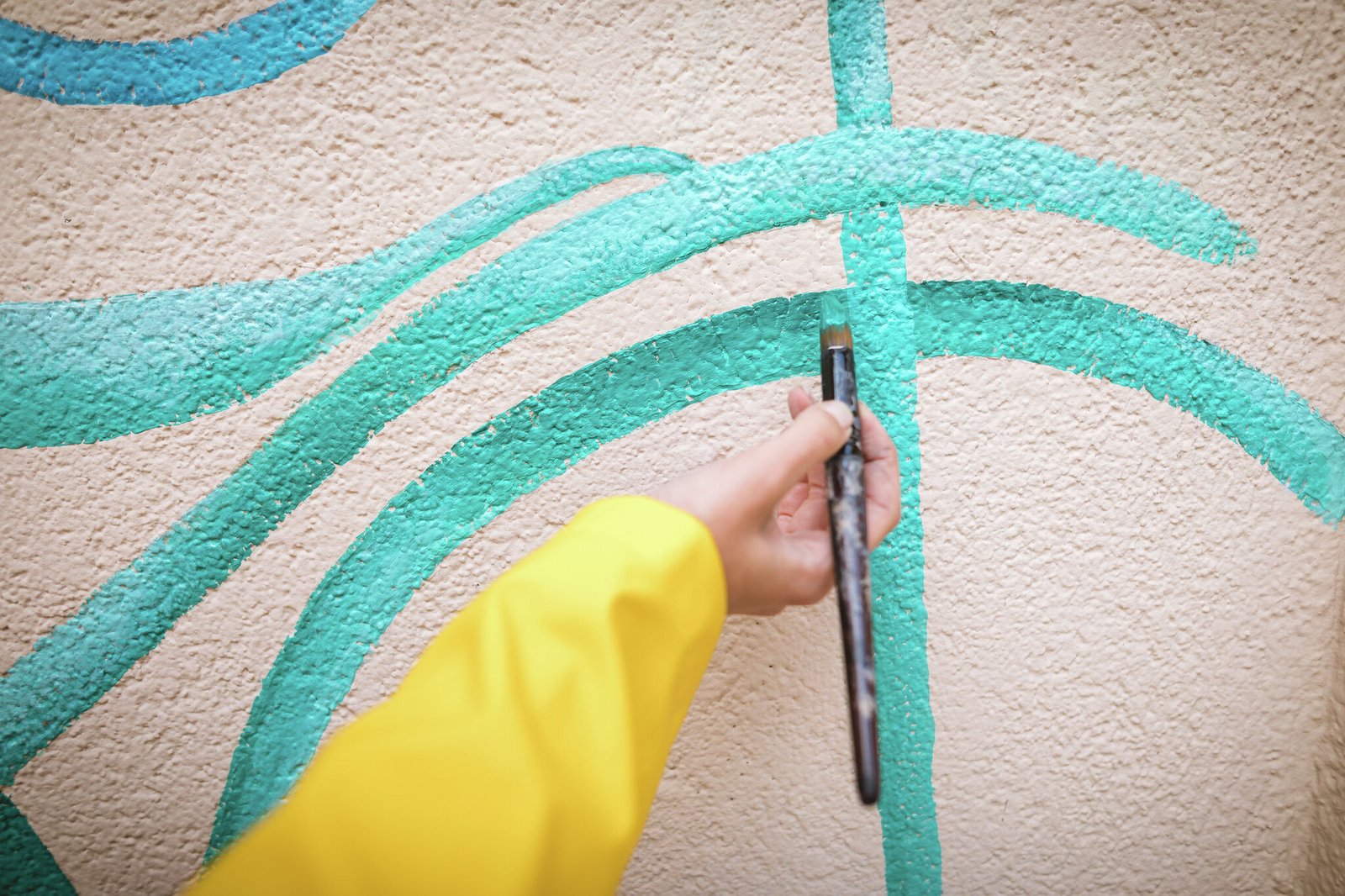
The state is working to invest in arts but most do more to underscore the “essential infrastructure” role that artists play throughout New York.
FluxFactory/Getty ImagesAccording to research from the Center for an Urban Future, upstate employment in the arts and culture sector surged 35 percent from 2009 to 2019, nearly 10 times the overall rate of employment growth. Likewise, the resident artist population grew 26.5 percent upstate between 2011 and 2021, while most cities saw little change.

In other words: New York’s artists and arts organizations are succeeding where other efforts have fallen short.
Even beyond their outsized economic impact, artists are essential to the well-being of New York’s diverse communities: They heal trauma, preserve cultural identity and help imagine new economic structures and brighter futures.
Article continues below this ad
Now is the time for New York’s leaders to unlock the full potential of the arts to generate inclusive economic prosperity, nurture cultural vitality and strengthen communities statewide.
As initiatives like Creatives Rebuild New York have shown, artists can address many of New York’s big challenges if provided with the resources to succeed. In western New York, artists are working with the Springville Center for the Arts to create a new downtown hub. In the Finger Lakes, Friends of Ganondagan is collaborating with the Seneca artist Marissa Corwin Manitowabi to reimagine spaces for education and commerce. In Monticello, local artists Douglas Shindler and Michael Davis have transformed a former bank into the Black Library, a vibrant cultural center.
But artists and arts organizations face steep challenges of their own. Thousands of artists exist in a state of financial precarity, unable to access benefits or earn a living wage from their gig-based work. Audiences have yet to come back fully from the pandemic even as costs spike, leaving many organizations struggling to break even. And while state investment has increased in recent years, it still falls well short of the need.
Fortunately, this year’s state budget includes some good news, allocating an additional $40 million in grantmaking funds for the New York State Council on the Arts to make up for the loss of federal COVID relief funding.
Article continues below this ad
Gov. Kathy Hochul’s Arts Pluribus Unum proposal is also moving forward, with $1 million in new funding for public art projects, $500,000 to pilot an artist residency program in state government agencies, and a commitment to leverage the state’s tourism marketing agency to spotlight artists and cultural destinations.
State leaders can help these new initiatives succeed by tapping additional federal, local and philanthropic support to boost overall funding levels and ensuring that most of these dollars directly employ artists to undertake this important work.
Going forward, New York should make the arts and artists a centerpiece of an inclusive economic development agenda. The state should cultivate a cross-agency coalition of artists already working in government and embed artists in economic development entities like the Regional Economic Development Councils, raising the profile of these funding streams among arts and cultural organizations.
In the months ahead, Gov. Hochul and the Legislature should fully integrate the arts in the state’s economic development strategy, launching new programs that support creative entrepreneurship and directing state agencies to incorporate funding for artists into requests for proposals on a broad spectrum of issues.
Article continues below this ad
For years if not decades, New York — along with its local counties and municipalities — has struggled to provide sufficient funding for the arts and to help realize the visions that artists have for their communities.
State leaders can change this by investing more deeply in the arts as essential infrastructure and by putting artists to work creating the more vibrant, creative and equitable state that all New Yorkers deserve.
Eli Dvorkin is the editorial and policy director of the Center for an Urban Future. Sarah Calderón is the executive director of Creatives Rebuild New York.
Article continues below this ad
[ad_2]
Source link