
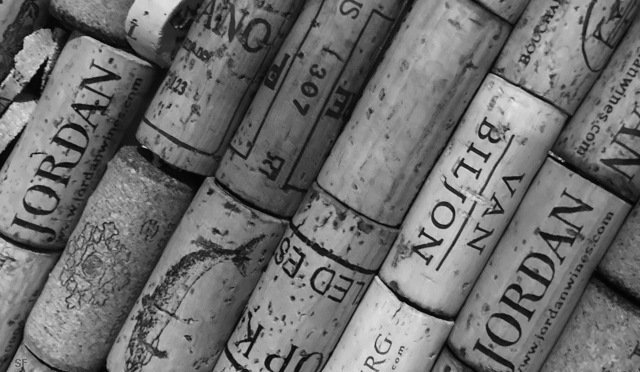
Pouring into profits? The rise of whisky and wine investing
In unsettled times, investors tend to reach for what they can hold. As markets lurch under the weight of geopolitical tension, inflation risks and uneven growth, the appeal of tangible assets is enjoying a quiet renaissance. From gold bars to oak casks, the logic is less about yield and more about reassurance.
The shift is as much psychological as financial. When portfolios flicker red and headlines grow febrile, physical assets offer something that spreadsheets cannot: permanence.
According to John Kennedy at Decant Index, this instinct is deeply rooted. “When markets feel unpredictable, investors often look for things that feel permanent and real,” he explains. “There’s a sense of reassurance in owning something tangible — something that exists independently of daily market movements or digital systems.”
Such thinking is hardly new. Gold has long been the archetypal refuge in times of stress; property, too, has offered both income and solidity. Fine art has played a similar role for those with deeper pockets and sharper eyes. What is changing is the breadth of assets now being drawn into this orbit.
Increasingly, premium whisky and fine wine are being recast — not merely as luxuries, but as investable stores of value.
Their appeal lies in a neat combination of scarcity and time. Unlike equities or bonds, which can be issued in near-limitless quantities, these assets diminish as they mature and are consumed. “Premium whisky and fine wine naturally become rarer as they age and are consumed,” says Kennedy. Supply shrinks even as global demand evolves, a dynamic that has historically underpinned long-term price appreciation.
This structural scarcity is reinforced by the mechanics of production. Whisky, in particular, requires patience: maturation periods often stretch from five to ten years or more, with limited cask releases adding further constraints. Fine wine, meanwhile, depends on harvest quality, geography and ageing potential, factors that resist easy replication. The result is an asset class where time itself is a key driver of value.
Just as important is accessibility. Compared with property or blue-chip art, whisky and wine offer a lower barrier to entry. Investors can gain exposure without committing vast sums, making them attractive to a broader cohort seeking diversification. In an era when traditional portfolios have shown increasing correlation during periods of stress, the case for alternative assets has strengthened.
Other Articles

BBC’s 2026 New Generation Artists announced



No Comment! Be the first one.