
Studio Ghibli Re-Releases Hayao Miyazaki-Original Totoro Watercolor Artwork
Studio Ghibli’s beloved My Neighbor Totoro (1988) is arguably one of the most iconic films that the company has ever produced. As a testament to the movie’s enduring legacy, Donguri Sora has re-released two Totoro-themed postcard sets that were initially created for the Totoro “Hometown” fund — an environmental conservation group based in Japan’s Saitama prefecture.
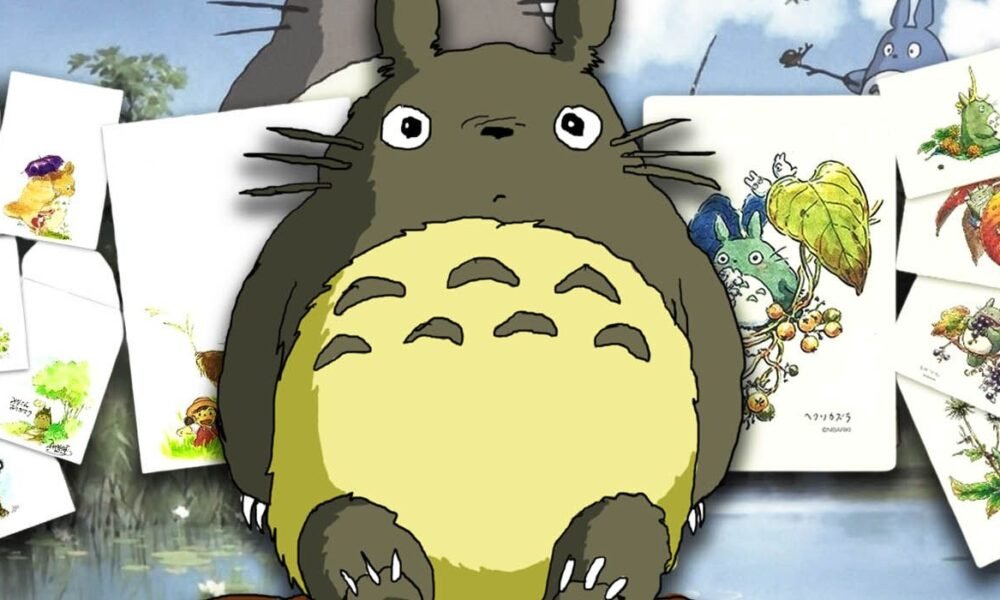
Ghibli’s official online storefront, Donguri Sora, recently restocked both of My Neighbor Totoro’s official “Fund Goods” postcard sets, all of which feature adorable artwork of Totoro and the other colorful nature spirits that appear in the film. Notably, the six-piece set features gorgeous original watercolor images created by Totoro writer and director Hayao Miyazaki. Two of these cards pay tribute to two famous scenes — one where Totoro plays a soft melody on an ocarina, and another where he takes protagonists Satsuki and Mei on a fun midnight flight through the sky. The five-piece “Flowers” postcard collection has a unifying nature theme, often depicting Totoro and the other characters in vivid, foliage-filled settings. Including tax, each set costs a modest 550 yen (US$3.51).

Related
Studio Ghibli’s Collection of Princess Mononoke Face Magnets Returns to Official Shop
The colorful cast of Princess Mononoke, including Moro, San, Yakul and more, return to the Ghibli store as intricately detailed refrigerator magnets.
Studio Ghibli’s Real-Life Conservation Project Has a My Neighbor Totoro Connection
Preserving nature has always been a major theme of Ghibli’s co-founder Miyazaki. In April 1998, his studio created the Totoro no Furusato National Trust, which eventually became the Totoro Hometown Fund organization. Both of these groups were formed to conserve and protect Sayama Hills — a lush regional woodland that inspired Totoro‘s quaint countryside setting. Just like its animated counterpart, Sayama Hills consists of lush forests, wetlands, and sprawling fields covered with rice paddies. By the time the Totoro Hometown Fund was officially born in 1998, the organization had purchased a substantial portion of this region through public donations. Now, the company continues to preserve Sayama Hill’s natural beauty for the benefit of future generations. Miyazaki’s watercolor postcards were released to raise both money and public awareness about the group.
My Neighbor Totoro revolves around 10-year-old Satsuki and four-year-old Mei, two sisters who move to a new rural home in order to be closer to their hospitalized mother. While investigating their new home, they discover that it’s filled with “soot gremlins” — timid spirits that often hide out in old, abandoned houses. This is just the first of many remarkable encounters that Mei and Satsuki have with the nature spirits that inhabit their new woodland home. Aside from Totoro himself, another famous icon from the film is the Catbus — a massive, multi-limbed feline who serves as transportation for Totoro. The Catbus eventually inspired a short Totoro sequel film titled, “Mei and the Baby Cat Bus,” which was created exclusively for the Ghibli Museum in Mitaka, Japan.

Related
My Neighbor Totoro’s Rare Triple Wind Chime Brings a Traditional Summer Sound to Studio Ghibli Fans
My Neighbor Totoro brings the soothing melody of summertime to the homes of Ghibli fans with the studio’s famous (but rare) themed triple wind chime.
My Neighbor Totoro, in addition to the rest of Studio Ghibli’s film collection, is available on Max for viewers in the U.S. and Japan. Netflix has made the films available to viewers in most other major territories, including Canada, Europe, Latin America, Africa and Australia.

My Neighbor Totoro
When two girls move to the country to be near their ailing mother, they have adventures with the wondrous forest spirits who live nearby.
- Release Date
- April 16, 1988
- Studio
- Studio Ghibli
- Cast
- Hitoshi Takagi , Noriko Hidaka , Chika Sakamoto , Shigesato Itoi , Sumi Shimamoto , Tanie Kitabayashi
- Runtime
- 86 Minutes
Source: Donguri Sora listings for Totoro “Fund Goods” Postcards (s-103) and Totoro Fund Goods Postcards (s-104)




No Comment! Be the first one.