
‘I thought mom kept it!’ Crayola seeks to reunite adults with their lost childhood artwork
Most of us who showed even a slight interest in art as a kid have at least one missing masterpiece.
Decades pass, you’re hit with a craving for nostalgia and suddenly wonder what happened to those gems from your youth.
You learn that mom didn’t save anything, despite being under the wrong impression that a mother was supposed to spend her life as some sort of amateur museum curator with unlimited amounts of warehousing space.
Maybe Crayola saved them?
The crayon manufacturer, based in Forks Township, launched a social media campaign this month that in part seeks to reunite adults with their missing childhood artwork. And it doesn’t involve going door-to-door in the Lehigh Valley’s 55-and-older communities to sift through the “kids’ stuff” storage bins of empty nesters.
It turns out Crayola has been saving children’s artwork since the 1980s.
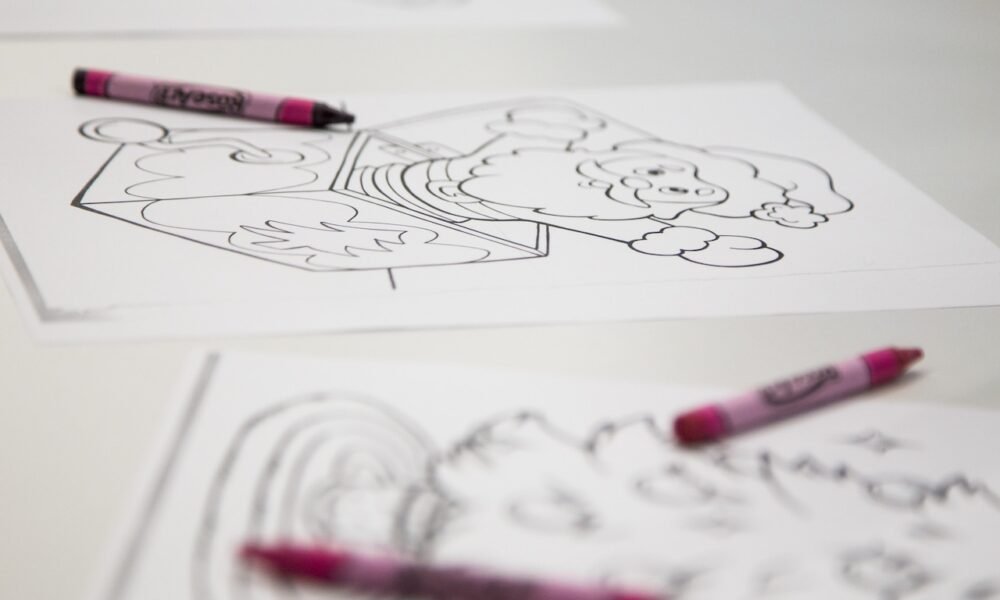
The company has started posting images of 50 pieces of unclaimed older works on its “social media channels with the goal of facilitating more heartfelt reunions and conversations about creativity,” according to a statement from Crayola. It is part of a larger initiative called “Campaign for Creativity.”
The statement from Crayola explains the outreach component as follows:
“This is the first wave of art being returned in what Crayola hopes to be the ultimate return of all 1,000 pieces of art remaining in its archives from what was once one of the largest collections of children’s artworks in the world,” Crayola said, noting in the statement that the archives grew over the years through Crayola art programs.
Other components of the larger initiative include the debut this month of a series of short films titled “Stay Creative.” The films feature the stories of three adults across the country who have already been united with their childhood artwork through Crayola.
“As they are reunited with their childhood artwork, the adults reflect on how creativity impacted their lives, and the importance of nurturing creativity in their own children,” the statement said.
A third major component was a research study, done in partnership with Ad Council Research Institute that “analyzed knowledge, attitudes, and behaviors on creativity and how parents view its importance for their children” according to the statement.
Among the study’s findings cited: 53% of parents believe they need to be creative themselves to raise creative kids, and an additional 21% are not sure.
Other Articles





No Comment! Be the first one.