
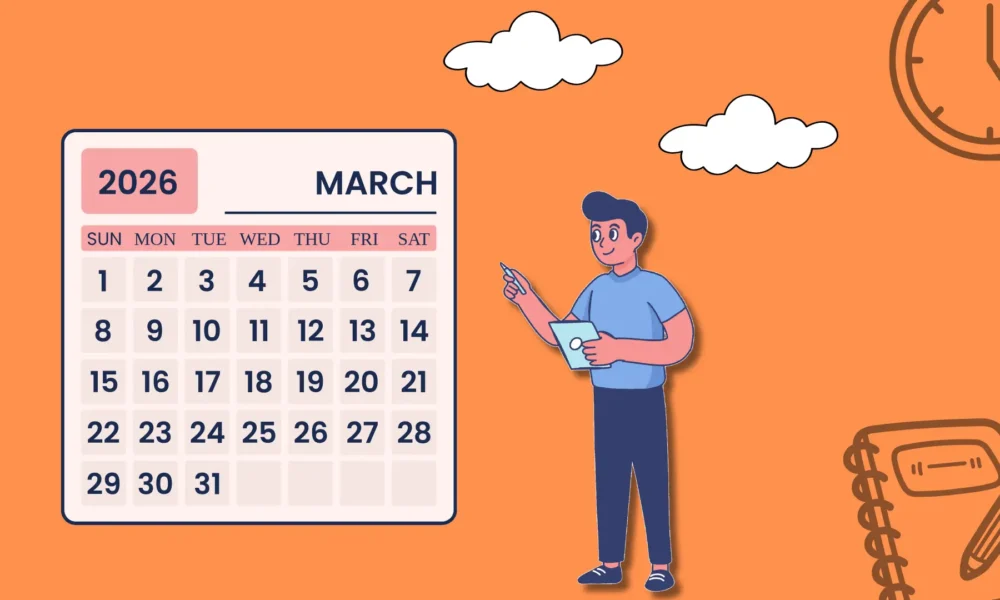
How a Calendar Helps Artists Plan Their Performances Throughout the Year
Did you know that most artists lose valuable bookings simply because they did not plan ahead? Talent is important, but without a solid plan, even the most skilled performer can feel lost and overwhelmed.
When artists plan their performances with a clear structure, they work smarter, stay organized, and build a stronger career over time. Without planning, it is easy to miss big opportunities, double-book shows, or run out of energy too fast.
A 2026 Printable Calendar is one of the simplest tools that can fix all of this. In this blog, you will learn why a calendar matters, how it helps you manage shows and rehearsals, and simple tips to use it well all year long.
Why Artists Need a Performance Calendar
Artists live busy lives filled with tours, bookings, rehearsals, and marketing tasks. Without a performance calendar, it becomes easy to lose track of multiple commitments and deadlines.
During busy seasons, managing overlapping shows and promotional activities without structure can lead to serious problems. Important tasks get forgotten, and great opportunities pass by unnoticed.
A performance calendar brings organization, clarity, and productivity to an artist’s daily workflow. It ensures that every commitment is tracked, every deadline is met, and every opportunity is captured and acted on before it slips away for good.
Benefits of Long-Term Performance Planning
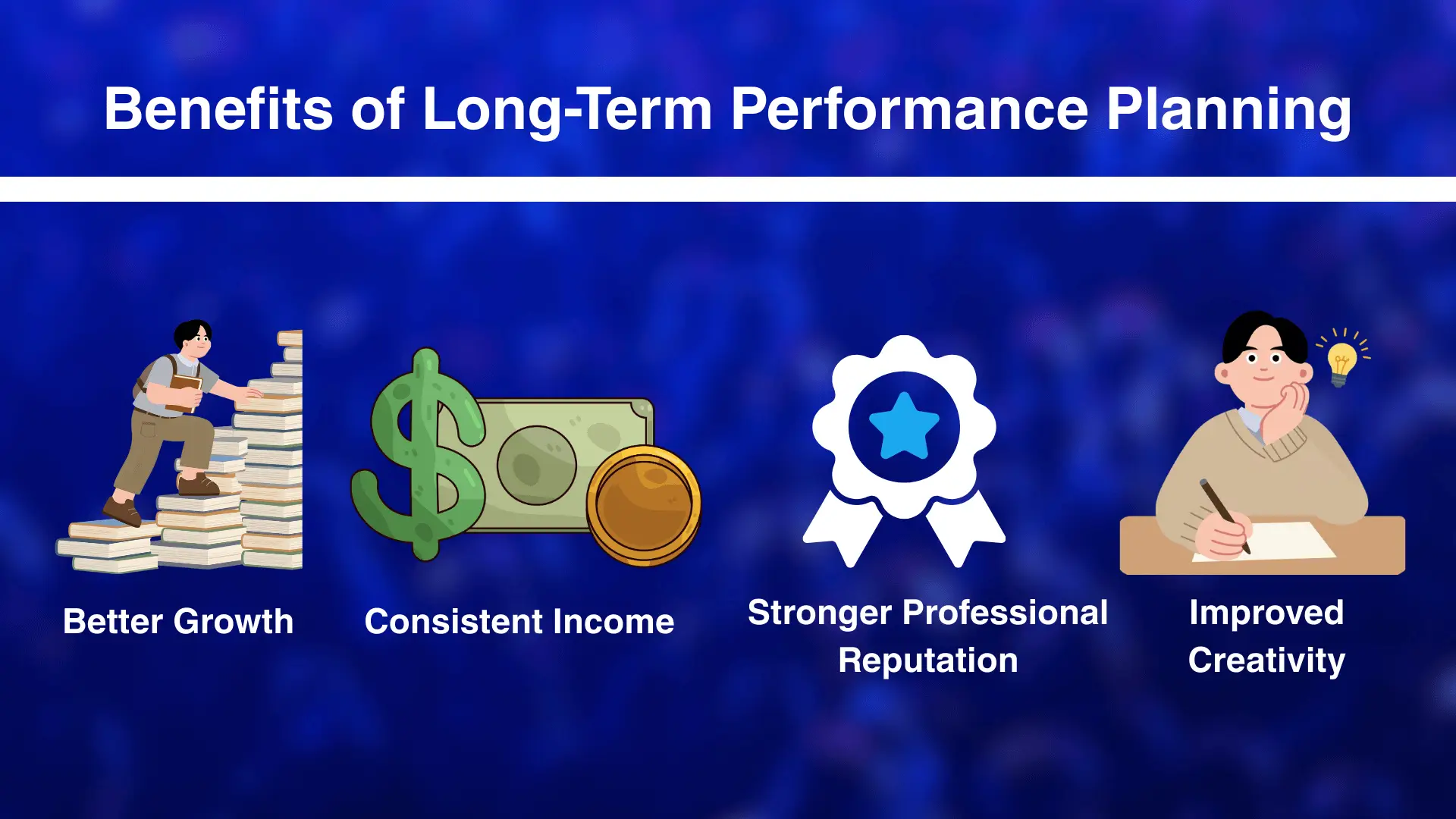
Planning ahead does more than just keep you organized. It sets the foundation for a stronger, more stable, and more rewarding career as an artist.
- Better Audience Growth: Consistent and well-planned shows keep fans engaged and excited about what is coming next.
- Consistent Income: A steady stream of bookings spread across the year means more reliable earnings and fewer slow months.
- Stronger Professional Reputation: Artists who plan ahead earn the trust of venues, promoters, and industry contacts over time.
- Improved Creativity: Protected time for writing, practice, and rest keeps your creative energy fresh and your performances at their best.
Key Ways a Calendar Helps Artists Plan Performances
A calendar is more than just a scheduling tool. It is a strategic partner for any performing artist. Here are the key ways it makes a real difference throughout the year.
Provides a Yearly Overview
Having a full-year view of your schedule is a game changer for any artist. A calendar lets you map out festivals, tours, seasonal events, and upcoming performance opportunities well in advance. This overview helps you spot gaps and peak periods so you can plan strategically.
Prevents Booking Conflicts
Double-booking is one of the most damaging mistakes an artist can make, as it harms professional relationships and disappoints fans. A well-maintained calendar shows all your confirmed bookings in one place, making it easy to spot overlaps before they become problems. When managing multiple venues and overlapping shows, your calendar acts as a clear visual guide.
Improves Time Management
Time is an artist’s most valuable resource, and a calendar helps you use it wisely. By scheduling rehearsal sessions, admin work, and creative time in advance, you create a balanced routine that supports both artistic growth and business responsibilities. Without this structure, important tasks like practice or paperwork often get pushed aside.
Supports Marketing and Promotion
Promoting shows effectively requires careful timing, and a calendar keeps your marketing on track. You can plan when to announce upcoming shows, set a ticket sales timeline, and schedule social media promotion well before each event. This advance planning ensures your audience has enough time to hear about your performances and purchase tickets.
Helps Balance Creative Work and Performances
Many artists struggle to find time for creativity when performances dominate their schedule. A calendar helps you protect dedicated time for songwriting, regular practice sessions, and essential rest periods. Blocking out these creative windows in advance means they are far less likely to be pushed aside by last-minute bookings or unexpected tasks.
Best Tool Artists Can Use to Manage Their Performance Calendar
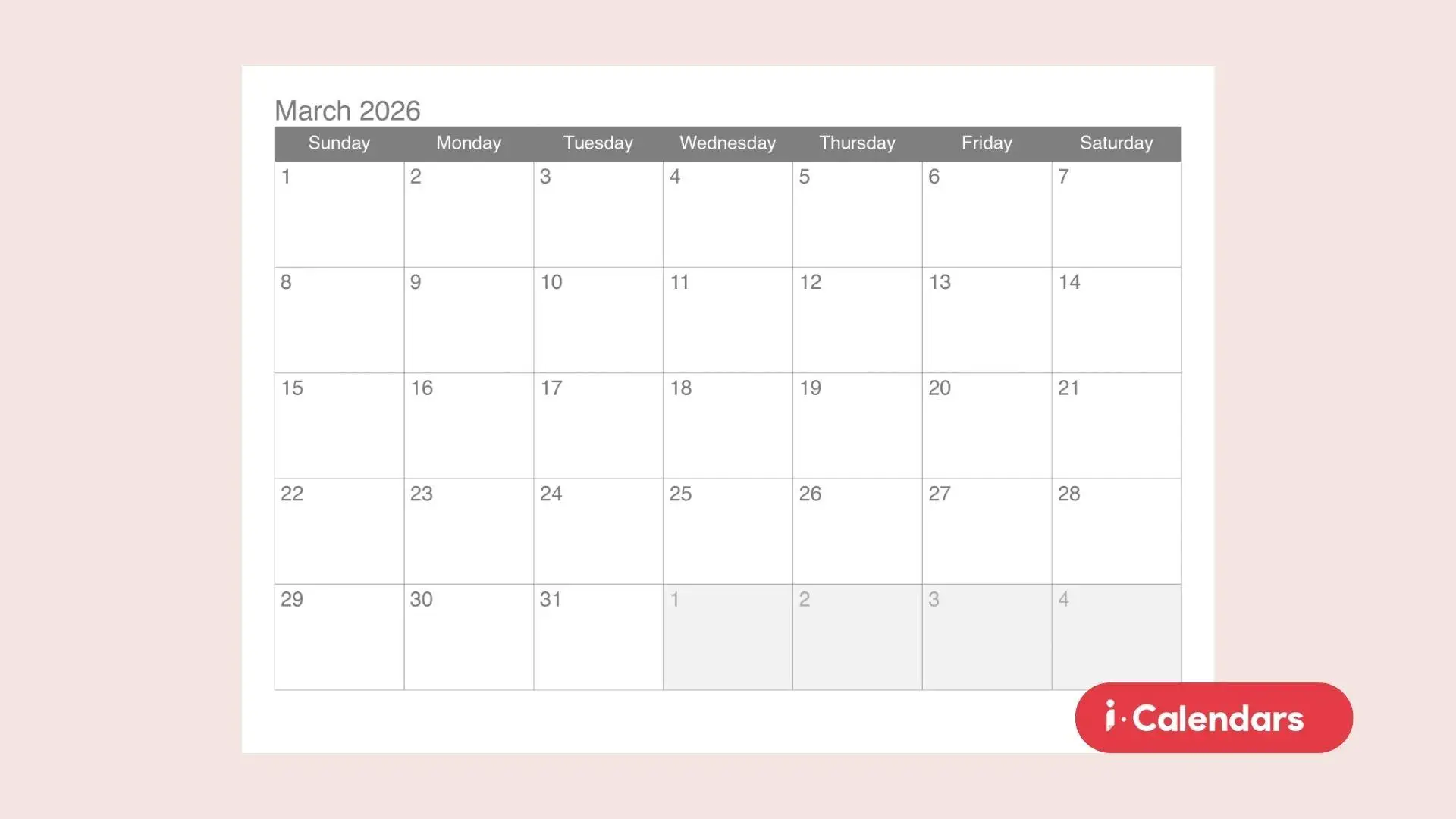
Managing your performance calendar does not have to be complicated or expensive.
The 2026 Calendar at icalendars.net is a free, clean, and easy-to-use resource that gives you a complete yearly view of your schedule at a glance. It is a great starting point for any artist who wants to plan the whole year quickly and without any hassle. You can map out tours, rehearsals, seasonal events, and key deadlines all in one place. It requires no setup, no subscription, and no technical skills. Simply open it, start planning, and stay on top of your entire performance year with ease.
Common Mistakes Artists Make When Planning Their Year
Even experienced artists fall into poor planning habits that quietly damage their careers and well-being. Avoid these six common mistakes to keep your performance year on a strong, healthy track.
- Overbooking shows: Cramming too many performances into a short period leaves no room for rest, preparation, or effective promotion.
- Ignoring marketing timelines: Delaying promotional planning means audiences often hear about shows far too late to buy tickets.
- Not scheduling rehearsals: Without blocked practice time, stage readiness and performance confidence quickly begin to decline.
- Skipping rest periods: Neglecting recovery leads to burnout, reduced creativity, and a steady drop in performance quality over time.
- Failing to review your calendar: An unchecked schedule allows missed deadlines and overlooked bookings to pile up silently in the background.
Tips for Using a Calendar Effectively as an Artist
A great calendar habit can transform how you manage your entire performance year. These practical tips will help you stay organized, productive, and always ahead of schedule.
- Color-code your tasks: Assign specific colors to performances, rehearsals, and marketing work for instant visual clarity across your schedule.
- Set reminders: Add automated alerts for key dates so important deadlines and show announcements are never accidentally missed.
- Review your calendar monthly: Take dedicated time each month to assess upcoming events and adjust plans based on new opportunities or changes.
- Track performance opportunities: Log every festival, open call, or venue inquiry the moment you discover it, so no chance slips by.
- Share with your team: Sync calendars with managers and bandmates to prevent scheduling conflicts and reduce miscommunication.
- Batch similar tasks: Group emails, social media posts, and admin duties into focused time blocks for greater efficiency and less distraction.
Conclusion
A calendar is one of the simplest yet most powerful tools in any performer’s arsenal. It keeps you organized, helps you think ahead, and ensures that both your creative life and your business goals stay firmly on track.
When artists plan their performances using a clear, structured calendar system, they gain a real competitive advantage with fewer conflicts, smarter marketing, better use of time, and a healthier work-life balance.
The result is not just more shows, but better shows, stronger audience connections, and a career built on intention rather than guesswork. From yearly overviews to daily scheduling, a well-used calendar changes how you approach both your craft and your career.
When did you last look at your full year as an artist? Start planning today and let us know in the comments which tool works best for you.



No Comment! Be the first one.