

China’s ‘Tesla’ of the art industry: tech investor to open digital robotics studio to help artists fulfil their visions
In late 2013, Korean-American tech investor Jung Lee opened an art gallery called Ren Space in a century-old building in the historic Huangpu neighbourhood in Shanghai. The avid art collector, who splits his time between Silicon Valley and China, wanted to create a new gallery model that could give contemporary artists the support they needed – both technical and financial – to be more experimental.
Ren Space has worked successfully with established artists such as Zhang Peili, widely known as the “father of Chinese video art”, to finance and help with the fabrication, promotion and distribution of artworks. But Lee still finds that his attempt to disrupt the industry – by setting up an art gallery – has resulted in the equivalent of Toyota’s Prius, when what is needed is a Tesla.
“Toyota never went beyond its traditional framework while Tesla, with no legacy to defend and market or territory to protect, adopted best practices without any constraint. The more you have something to lose, the more difficult it is for you to truly innovate,” Lee says.
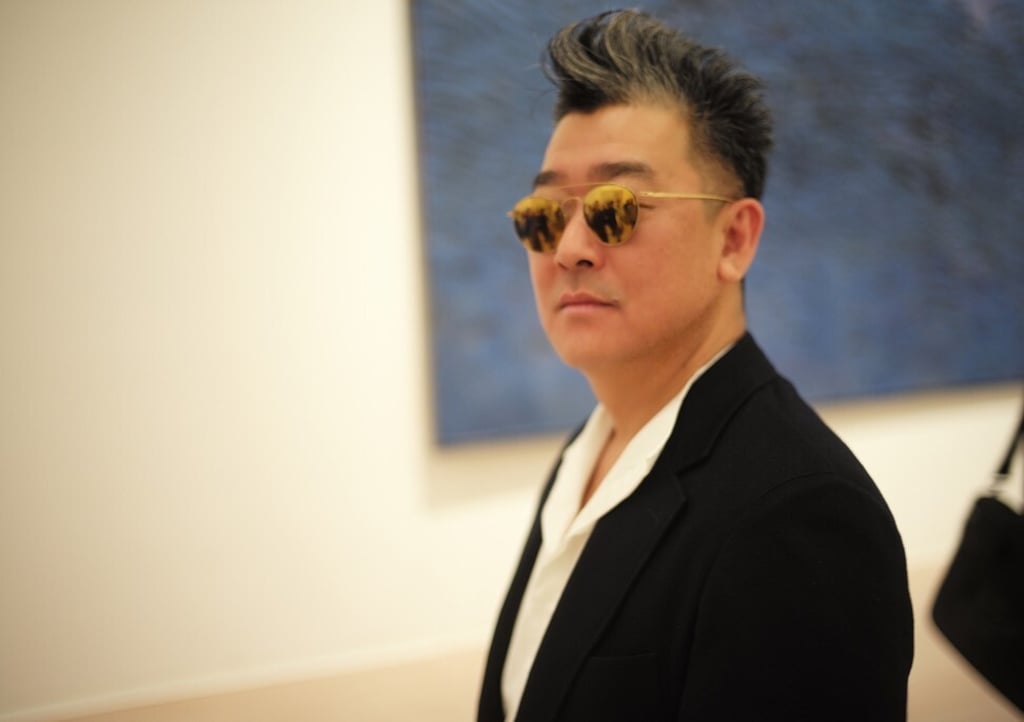
That’s why he is stepping away from his direct involvement in Ren Space to launch his “Tesla” of the art industry: Miralab, a digital robotics studio in China that can help artists fulfil their visions.
Other Articles






No Comment! Be the first one.