
[ad_1]
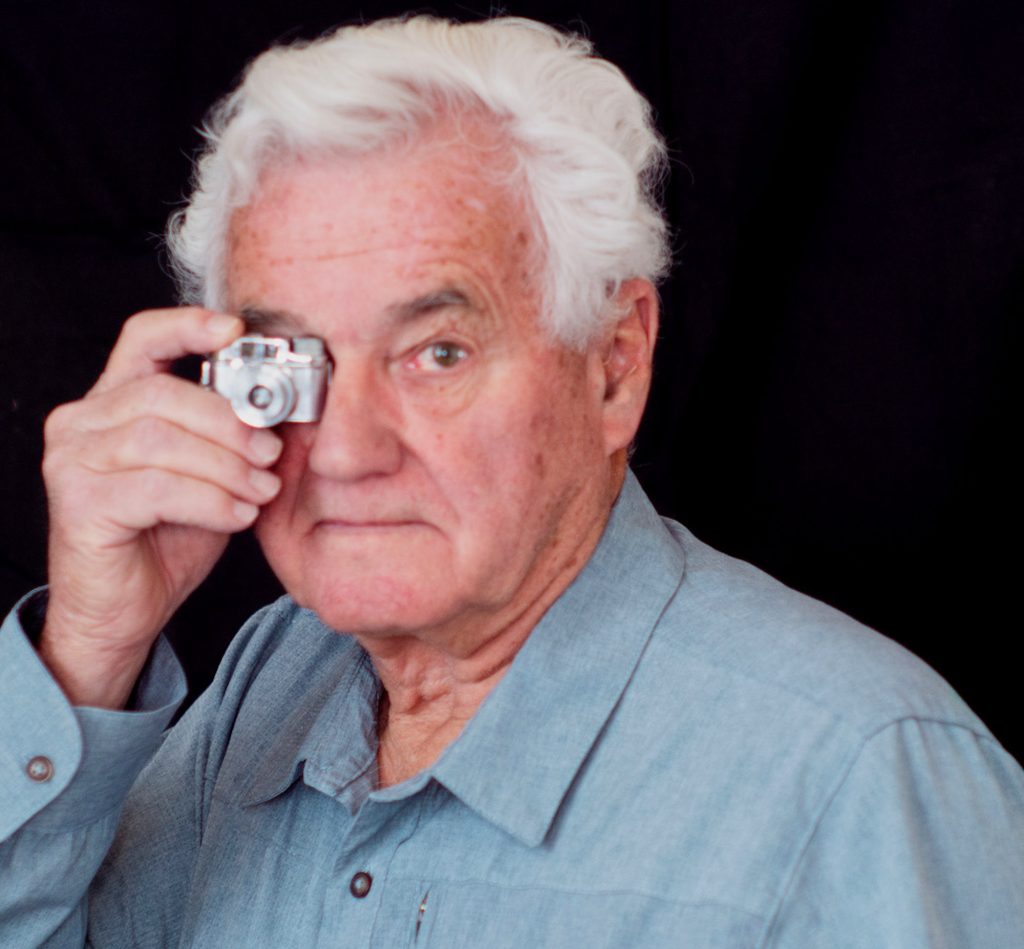
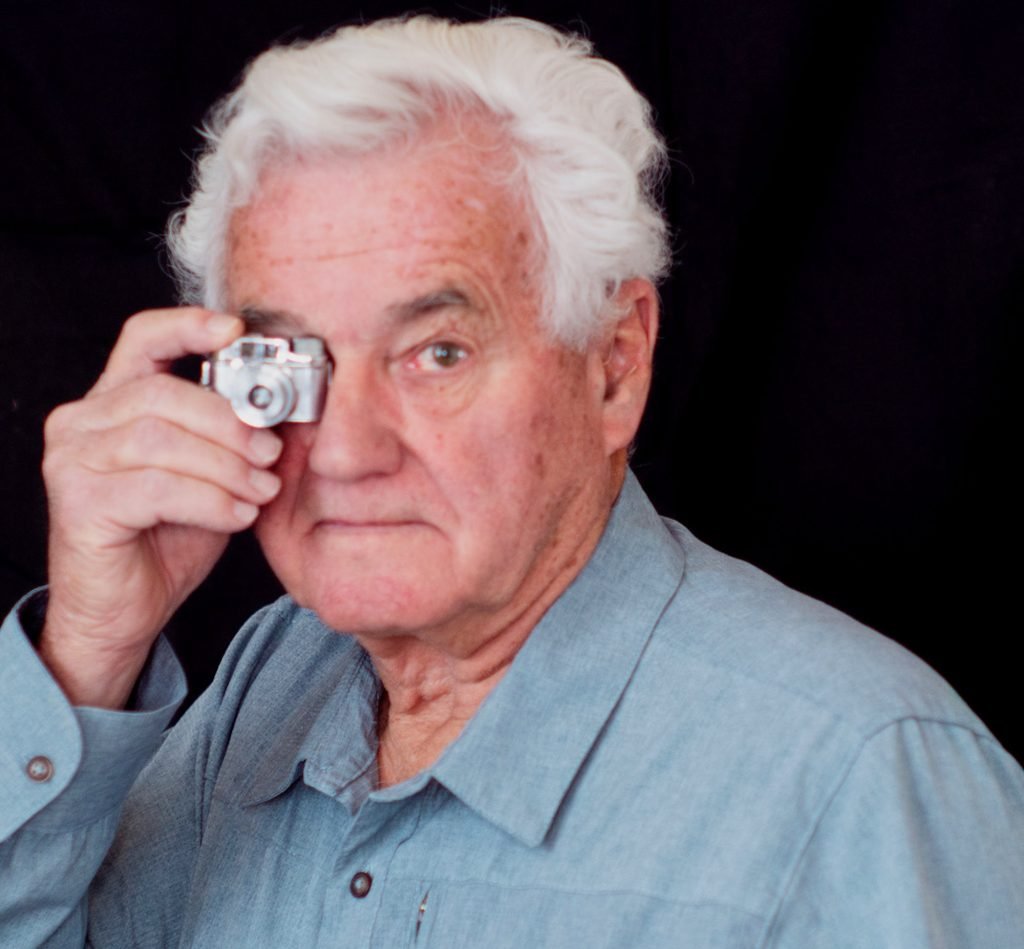
Raymond Bleesz/Courtesy photo
Q: How long have you lived in the valley and what brought you here?
A: I have been in the state of Colorado since 1970, moving to this county in 1990, formally from Clear Creek County where I was a teacher, businessman and photographer and underwent a “life change” for advancement.
Q: Where did your passion for art come from?
A: I had early childhood exposure to the art/writings/cartoons of James Thurber, American’s foremost humorist, second to Mark Twain. I had access to Thurber’s library, art studio and drawings as my parents worked for James Thurber and I lived on the Thurber estate in West Cornwall, Connecticut.
Q: Describe your style of art.

Support Local Journalism
A: My photographic art is that of a “documentarian photographer”, capturing the Zeitgeist of my time and place, reality in essence with “tranquility and solitude.”
Who are your favorite artists?
A: My early mentors were Walker Evans and Robert Frank and their photographs, writings and photo philosophy were major contributors to the history of American photography.
Q: Tell us about one of your favorite pieces that you’ve worked on.
A: A favorite photo as well as the story associated with the photo is that of “Joe Berry, Christian Cowboy, Prague, Oklahoma, 1987.” A 4×5 camera was used, as was film. Joe Berry was passing through my community heading west on a cold March night and I offered him to bunk up for the night. In the morning, over breakfast, I proposed to him a portrait session which he obliged. I gave him $5 dollars, made a phone call on his behalf, and got him a job at a dude ranch. I have never heard from JB, his whereabouts or his fate. The image of “Joe Berry, Christian Cowboy, Prague, Oklahoma, 1987” was displayed at the 2002 Winter Olympics in Salt Lake City, Utah and is presently being represented by a photographic dealer of fine art.

Q: Who has helped you along the way? Who/what inspires you?
A: Outside help: Many individuals have helped me in my life, but photographically: Hal Gould, curator, director of the camera, Obscure Gallery Denver, deceased; Lyle Rexer, curator, writer, instructor at the School of Visual Arts, New York City; Martin Fougeron, instructor, photographer, ICP, New York City; in 1983, Ruth Orkin, New York City photographer, who specifically told me to “continue the work, continue the work” after viewing my portfolio; Monsieur Jean Claude Lemagny, photo curator, Bibliotheque Nationale, deceased, thought well of my portfolio in Arles, France in 1990.
What inspires me is a longing to continue photographing my time and place, and for inspiration, photographic books, the biographies of certain photographers.
Q: If you weren’t an artist, what would you be doing?
A: Other vocations would be teaching the history and aesthetics of fine art photography and or being a “Haberdasher” of fine men’s clothing here in this valley as I was long ago.
Q: What do you hope people take away from your work?
A: The Colorado State Historical Society has an interest in my photographic archives. Each photograph has a “specific story”, and the majority of viewers want to know about that image, the story behind the image. That’s a good takeaway, and in essence that is a “good photograph.”
Q: Where is your work shown (a local gallery) or how/where can people view it?
A: My home is a “gallery” for viewing not only my work but collect pieces. I typically display at fine art galleries along the Front Range of Denver, from Fort Collins to Pueblo and beyond. I also display on a regular basis at the Vail Valley Art Guild’s galleries and recently did a solo exhibit at the Avon Public Library for the month of December.
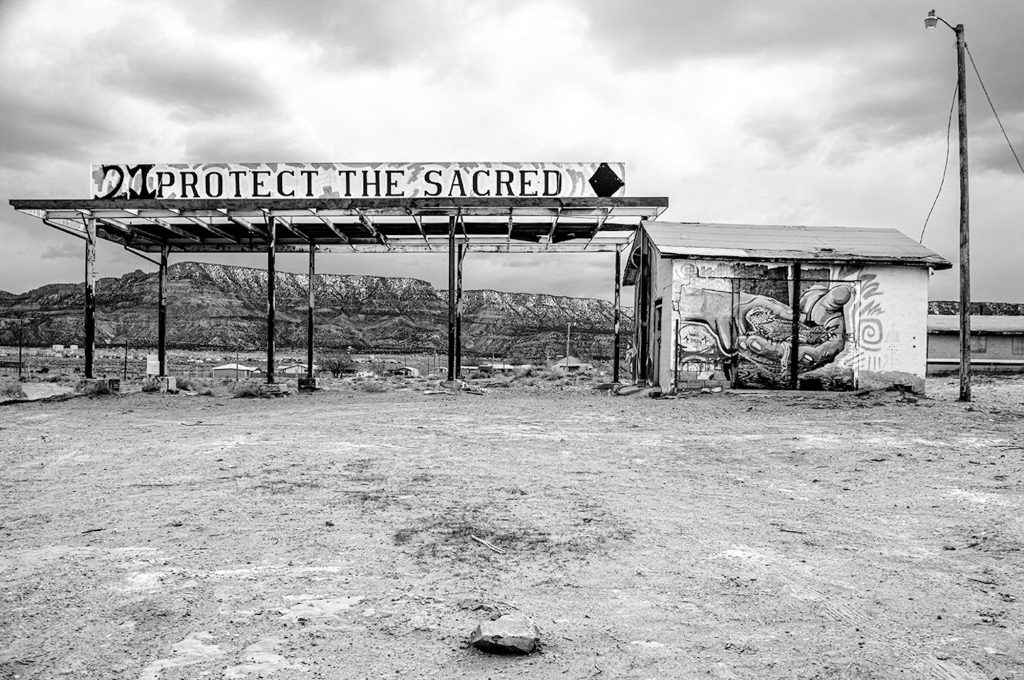
From July 13 until Sept. 1, my photograph entitled, “Protect the Sacred, Kayenta, Navajo Nation” will be exhibited at the 41st Annual All Colorado Art Exhibition at the city of Greenwood Village’s historic Curtis Center for the Arts. My medium of preference is black and white photography and this recent photograph is part of a continuing series of images of the western territory. The site is an abandoned former gas station within Kayenta’s city limits. The photo is a “harsh commentary” on existing conditions on the reservation.
Q: Anything else we should have asked, anything else you’d like to share?
A: I am the co-founder of the Vail Valley Art Guild Photographers group and have been a member of the Colorado Photographic Arts Center, Denver since 1976, the oldest fine art photograph gallery west of the Mississippi since 1963. In 1989 and 1990, I spent a six-month photographic sabbatical in Alsace, France documenting my father’s petite village along the Route du Vin. In 2017, I was chosen to participate in a photographic workshop in Esperon, France, the Photography Master Retreat.
[ad_2]
Source link
Other Articles