
[ad_1]
Because humans lead the discourse around colonialism, plants—the visually dazzling organisms that fill up our world—are reduced to being side characters in the story of human existence. A perspective that puts humans at the center and edges out other life forms is an anthropocentric one. It’s what drives many decisions that are contributing to harming our climate and the future of our home, planet Earth. “The seemingly silent witnesses to our decisions, nonhuman entities are consistently impacted by our choices and in reducing them to mere ‘resources’, or a backdrop to our existence, we reveal a human-centric bias that diminishes their political agency,” Srivastava says, and her work, which she’s been testing with her own houseplants, proposes an exciting new way of relating to the non-human.
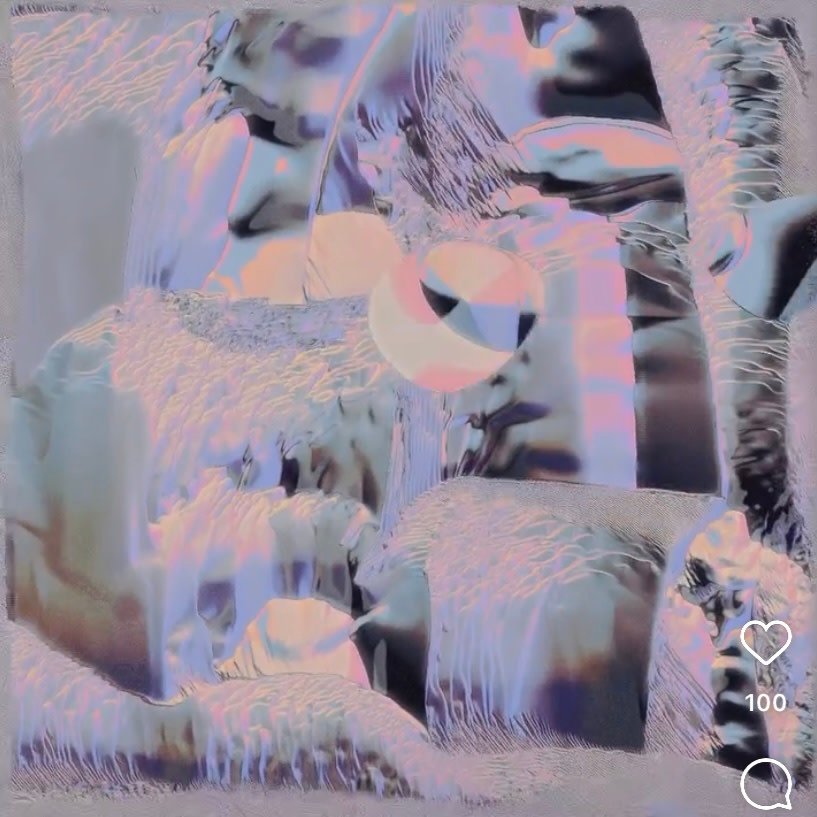
By linking her houseplants to physical computing devices—either a midi sensor or arduino board—and watching the fluctuations in their bioelectricity in real time, she found that they love tickles, the glide of a soft touch and gentle cuddles, which showed up as rising and falling spikes on-screen. To make this data into artworks, she fed what she recorded through the visual programming tool Touchdesigner; a program that the artist has come to love. “Touchdesigner has been the most fascinating software out there,” she says. “The possibilities of iteration are limitless”.
[ad_2]
Source link